
Adding to your home can be an exciting opportunity to expand your living space and boost your property’s value. However, before diving into a home addition project, it’s essential to understand the home addition cost factors involved. Budgeting wisely is key to staying on track and achieving your vision without unexpected financial surprises.
From design choices and materials to labor and permits, each element plays a role in determining the overall cost. This guide will explore the top factors that influence home addition expenses, helping you navigate your project with confidence and make informed decisions every step of the way.
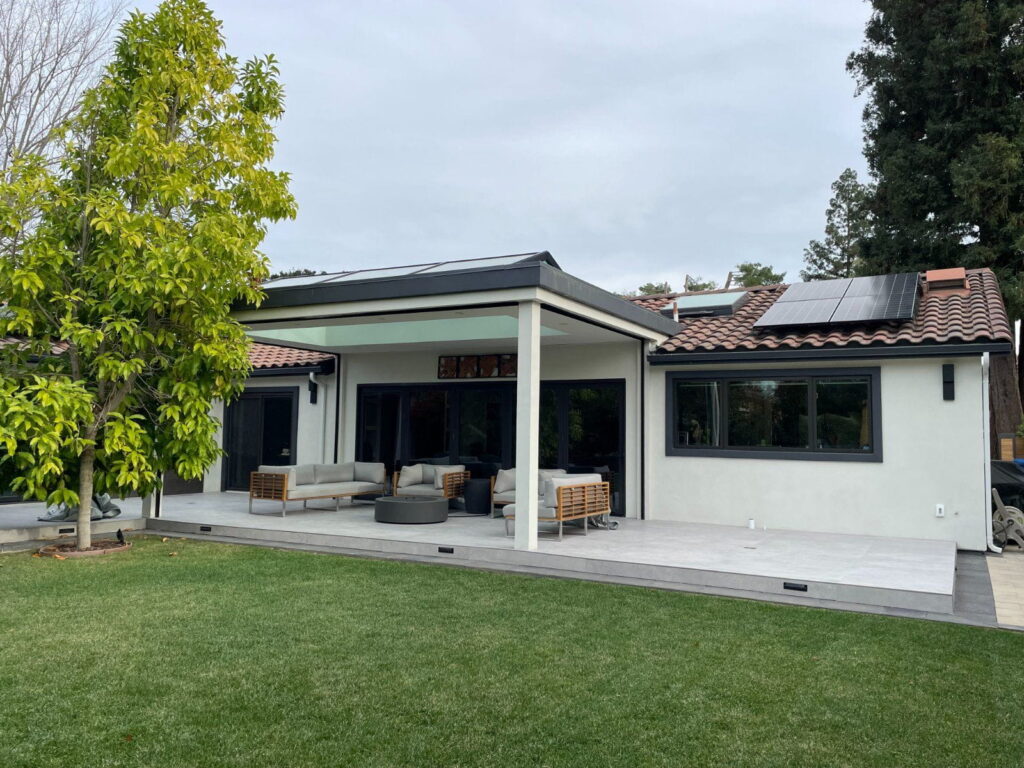
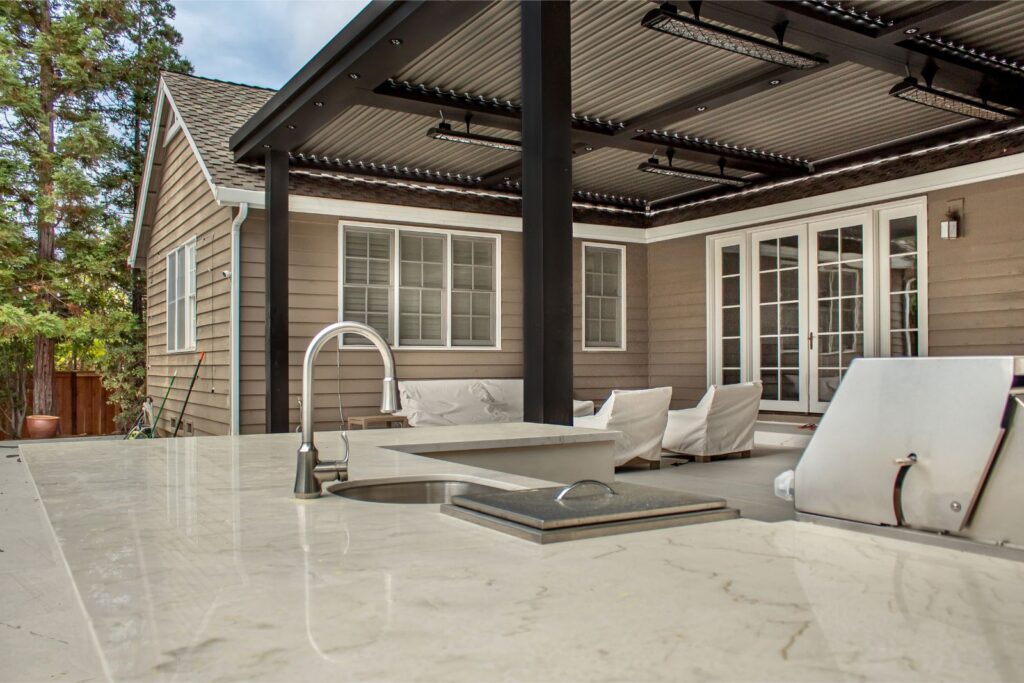
Top Factors That Affect Home Addition Cost
1. Size and Scope of the Addition
The size of your home addition is one of the most significant factors affecting cost. Larger additions will naturally cost more due to increased materials and labor. Additionally, the complexity of the design will impact the cost. For example, a simple room extension will generally be less expensive than adding a multi-story extension or a complex custom-designed space.
2. Design and Materials
The design of your addition and the materials used are major factors influencing home addition costs. Choosing high-end materials and custom designs can significantly increase expenses. For example, selecting luxury finishes, premium flooring, or advanced fixtures will drive up the price. On the other hand, opting for standard materials and simpler designs can help keep your cost more manageable.
3. Labor Costs in Home Addition Cost
Labor costs can vary widely based on location, contractor experience, and project complexity. In the Bay Area, for instance, labor rates might be higher compared to other regions. The expertise of the contractors and the length of the project will also affect labor costs. More skilled contractors may charge higher rates, but they can often deliver better quality work and fewer complications.
4. Permits and Approvals
Before starting construction, you will need to secure the necessary permits and approvals. The cost of these permits can vary based on your location and the scope of your project. Some projects may require multiple permits or additional inspections, which can add to the overall cost. It’s important to work with a contractor who understands local regulations and can handle permit applications efficiently.
5. Site Preparation and Demolition
Preparing your site for a home addition involves clearing the area, potentially demolishing existing structures, and making necessary adjustments. The extent of site preparation required can significantly impact the home addition cost. For example, if extensive clearing or structural challenges are present, the cost of site preparation and demolition may increase.
6. Foundation and Structural Work
The foundation is a critical component of any home addition. If your project involves significant structural changes or requires a new foundation, costs can rise. For example, adding a second story or expanding the foundation to support additional weight will require more extensive work and materials.
7. Utilities and Systems
Incorporating utilities such as plumbing, electrical systems, and HVAC into your home addition will influence the cost. Upgrading existing systems to accommodate the new space or installing new ones can be expensive. Ensuring that these systems are properly integrated and meet current codes is essential, but it also adds to the overall cost.
8. Interior Finishes
Interior finishes such as flooring, cabinetry, countertops, and paint play a significant role in determining your home addition cost. Choosing premium materials and custom finishes can drive up the overall expenses, whereas opting for more standard options can help manage and control your budget.
9. Unexpected Issues
During construction, unexpected issues may arise, such as discovering structural problems or needing to address code violations. These unforeseen circumstances can lead to additional costs. Having a contingency budget for unexpected expenses is wise to avoid financial surprises.
10. Contractor Selection
The choice of contractor can greatly affect the cost of your home addition. Experienced contractors like OT Bay Builders, who specialize in home additions, often have the expertise to manage projects efficiently and avoid costly mistakes. Investing in a reputable contractor can help ensure that your project stays on budget and is completed to your satisfaction. Additionally, OT Bay Builders can integrate landscape construction into your home addition plans, creating a seamless transition between your indoor and outdoor spaces. This comprehensive approach not only enhances the aesthetic appeal of your property but also adds value and functionality to your home.
Working with OT Bay Builders
At OT Bay Builders, we understand the importance of managing home addition costs while delivering exceptional quality. Our team of experts in the Bay Area offers personalized customer service, innovative designs, and effective project management to help you navigate the cost factors of your home addition. We specialize in kitchen rebuilding, bathroom remodels, and various other home expansion projects, ensuring that your vision is realized within your budget.
From the initial consultation to the final inspection, our dedicated project managers will guide you through every step, providing transparency and keeping you informed about costs and progress. We handle all aspects of your project, including obtaining permits, site preparation, and coordinating with skilled subcontractors to ensure that your home addition meets the highest standards.
Tips for Managing Home Addition Costs

In conclusion, knowing the key factors that influence home addition costs is important for making informed decisions and staying within your budget. By evaluating the size, design, materials, and other important elements, you can ensure a smooth and successful addition project. At OT Bay Builders, we’re dedicated to guiding you through every step with clear communication and expert advice. Our goal is to help you realize your home expansion dreams while keeping everything on track and within budget. Contact us today, and let’s begin planning your home addition with confidence and precision.